
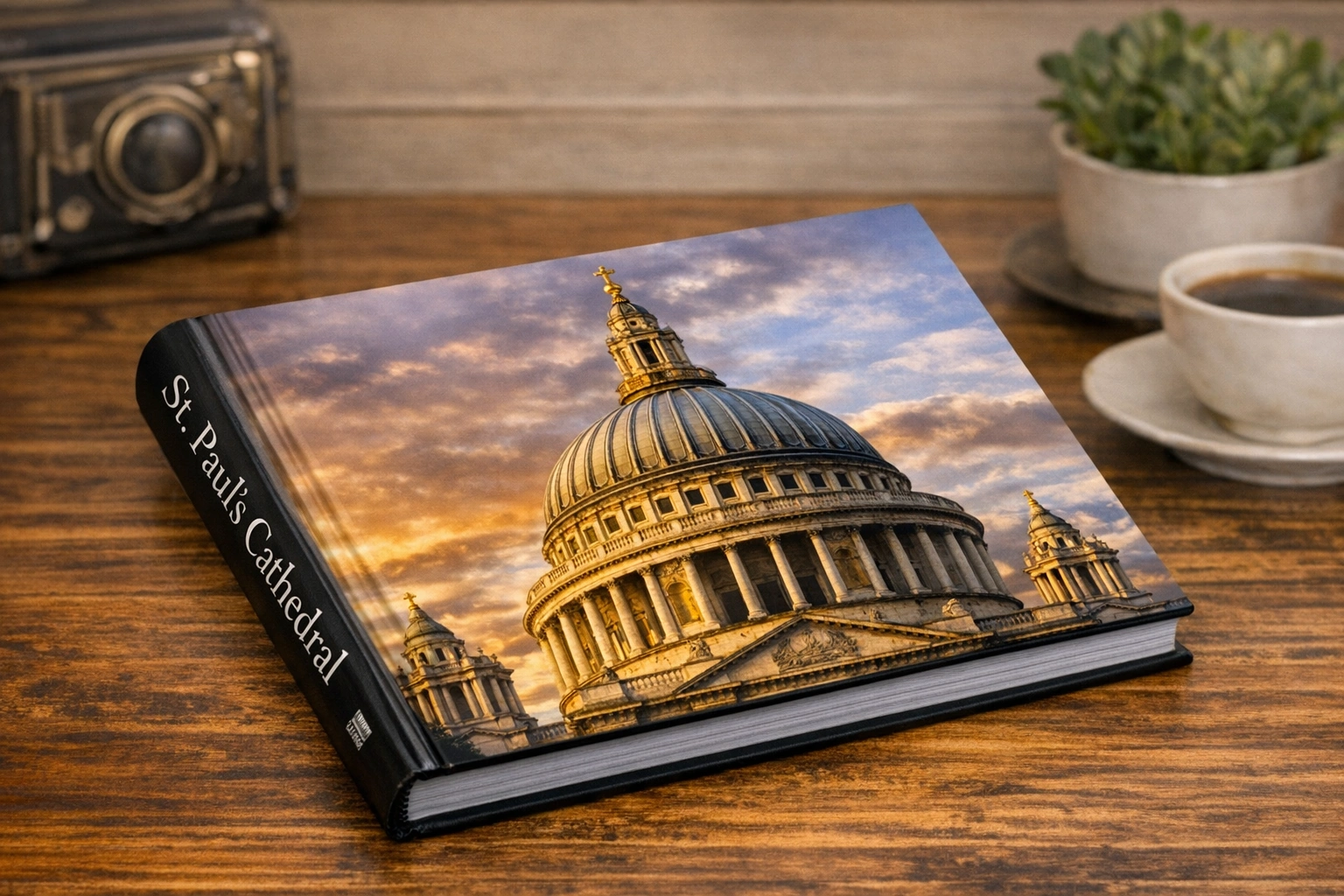
St. Paul's Book Club
A little something for everyone ... compliments of Kristi Bergland
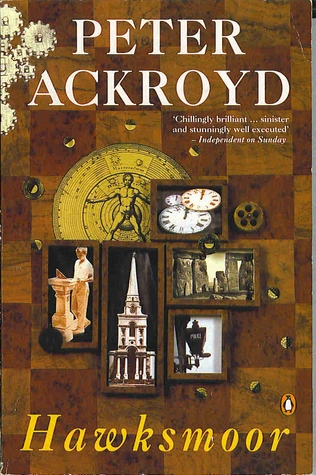
Hawksmoor by Peter Ackroyd (1985)
Two parallel narratives, centuries apart, that mirror each other eerily. In the 18th century, a satanic architect named Nicholas Dyer builds London churches (including ones Wren designed in real life) using occult rituals and human sacrifice. In the 1980s, a detective named Hawksmoor investigates a series of murders at those same churches. The two timelines never directly meet, but they rhyme in deeply unsettling ways. It's challenging but richly rewarding — Ackroyd writes the 18th-century sections in period prose, which takes a few pages to sink into but becomes hypnotic. The themes of London as a place haunted by its own history, of evil recurring across time, and of architecture as something almost alive make for a fantastic discussion. It won the Whitbread Novel Award and the Guardian Fiction Prize. (217 pages)
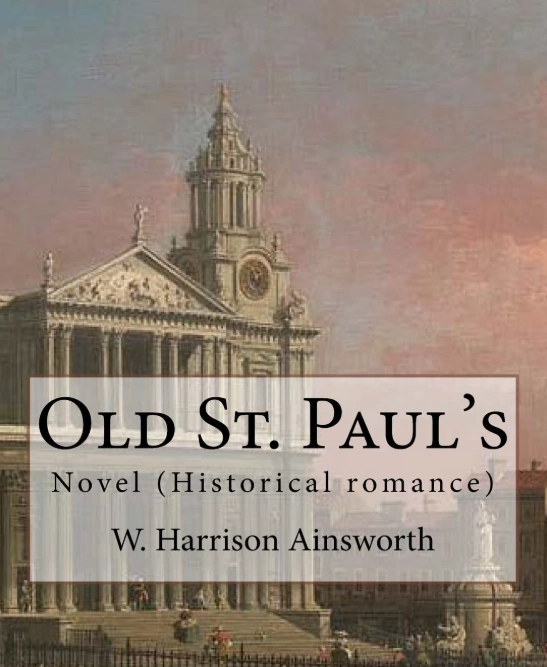
Old St. Paul's: A Tale of the Plague and the Fire by William Harrison Ainsworth (1841)
Think Dickens but darker and more sensational. Ainsworth was one of the most popular novelists of the Victorian era, and this is one of his best. The story follows a grocer's family in 1665–66 London, navigating the plague (bodies in the streets, houses sealed shut, the cathedral as a makeshift hospital) and then the Great Fire. A prophetic character named Solomon Eagle serves to judge the city from atop St. Paul's, like Ezekiel from the Bible, and his prophecy comes true as Bacchanalian revelry takes place in a church while the city burns. It's melodramatic — there are villains who rob plague victims, a wronged heroine, disguises, secret identities — but that's part of the fun. Ainsworth drew on Daniel Defoe's Journal of the Plague Year for historical detail. Freely available on Project Gutenberg.
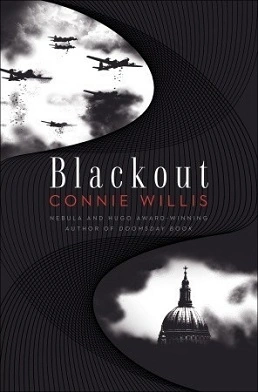
Blackout and All Clear by Connie Willis (2010)
These two volumes form a single story (published in two halves), following three Oxford historians who time-travel back to different parts of WWII Britain — the Blitz, Dunkirk, and the evacuation of children to the countryside. They get stranded when their "drop points" stop working, and spend the rest of the story trying to survive and get home while wondering whether their presence has changed history. Willis spent years researching the Blitz, and the period detail is extraordinary — the tube stations used as shelters, the fire-watch volunteers who saved St. Paul's from burning, the dark humour of ordinary Londoners carrying on. The emotional core is very human: what makes ordinary people heroic? The books are long (together about 1,100 pages) but fast-paced. Both won the Hugo and Nebula Awards. (Blackout 512 pages, All Clear, 656 pages)
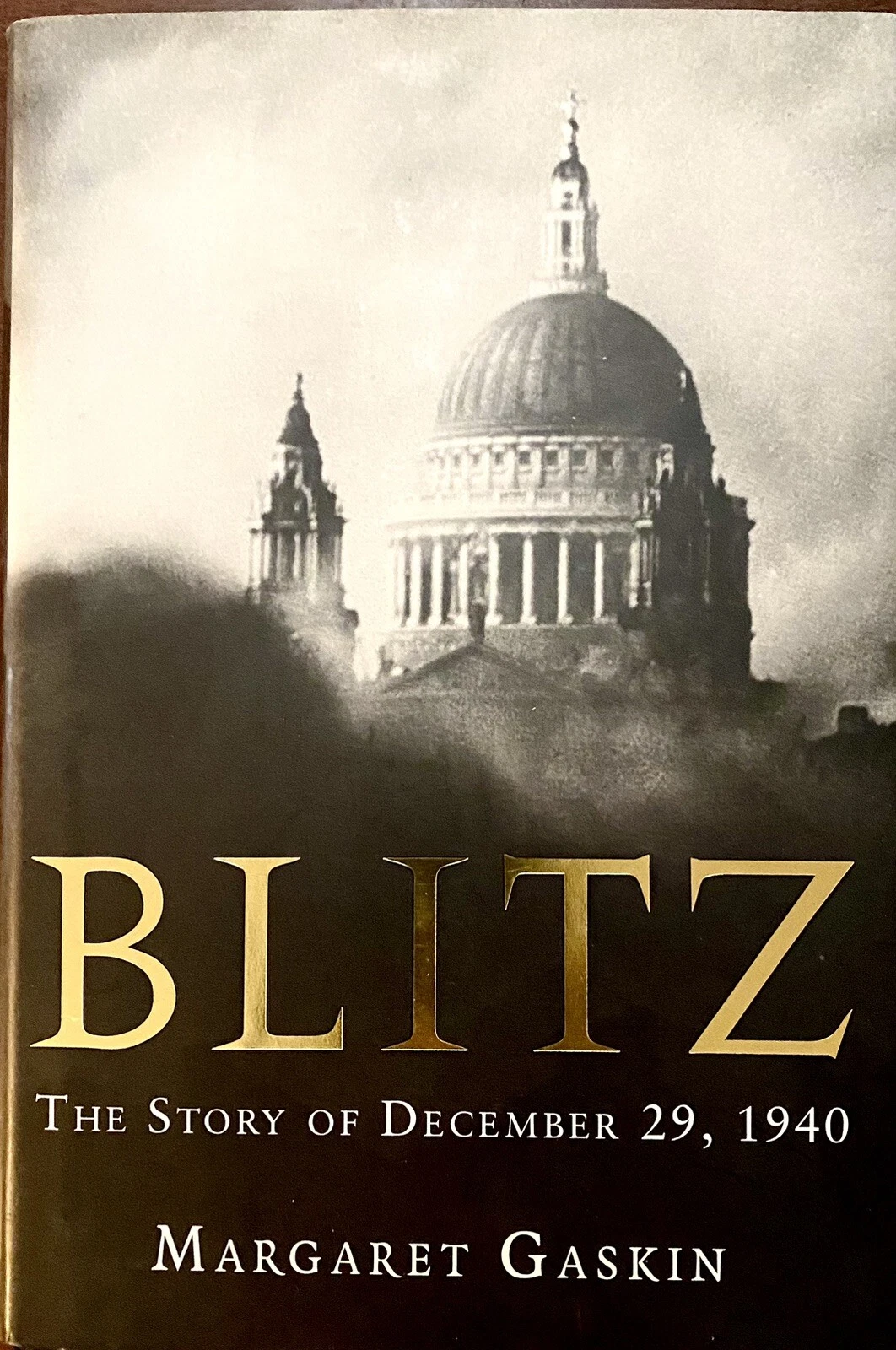
Blitz: The Story of 29 December 1940 by Margaret Gaskin (2006)
This is narrative non-fiction at its finest — a single night reconstructed in almost minute-by-minute detail. December 29, 1940 was the night Hitler tried to burn London to the ground, targeting the square mile of the old City. Gaskin draws on published and unpublished diaries, memoirs, and interviews to reconstruct events from those who experienced them — American correspondent Edward R. Murrow, BBC announcers, RAF pilots, anti aircraft crews, and ordinary Londoners. She finds in those diaries a spectrum of sentiments from fatalism to fear, but also much evidence that solidarity was genuine, with people doing their best to carry on with ordinary life — as the bombs fell, for instance, moviegoers continued watching The Great Dictator. Amazon The famous photograph of St. Paul's dome rising above the smoke and flames runs throughout as a symbol of defiance. (416 pages)
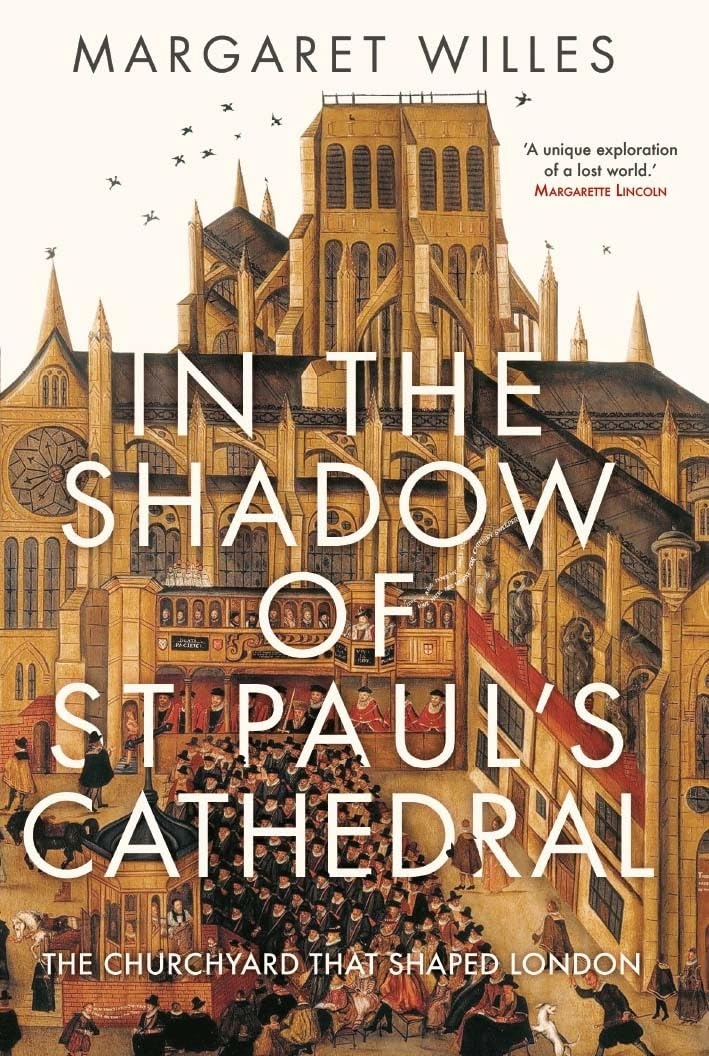
In the Shadow of St. Paul's Cathedral by Margaret Willes (2021)
Part social history, part literary history, part urban biography. Willes traces the life of the churchyard surrounding St. Paul's across more than a thousand years. Just about everything went on inside the churchyard at Paul's Cross — from the burning of heretics and the destruction of Papist relics, to bear-baiting and plays performed by St. Paul's boy choristers. For bibliophiles, it was the heart of the bookseller's business for hundreds of years, housing printers, bookbinders and stationers. The book is populated with a rich array of characters from all walks of life — lesser-known figures like Isabella Whitney the poet, and John Ogilby who rescued his father from debtor's prison by winning the lottery at age twelve. Lovers of classic literature will enjoy the chapter on literary circles, examining the coffee houses frequented by writers and booksellers. It ends with the Blitz destroying the entire neighbourhood overnight. (299 pages)